A great man is one who collects knowledge the way a bee collects honey and uses it to help people overcome the difficulties they endure - hunger, ignorance and disease!
- Nikola Tesla

Remember, remember always, that all of us, and you and I especially, are descended from immigrants and revolutionists.
- Franklin Roosevelt

While their territory has been devastated and their homes despoiled, the spirit of the Serbian people has not been broken.
- Woodrow Wilson

Scientific American о портрету Константина Великог, 1911.

A New Portrait of Constantine the Great
A Splendidly Preserved Record of a Prominent Historical Figure
By Alfred Emerson, Chicago Art Institute

У духу прославе јубилеја – 17 векова од доношења Миланског едикта, Одељење за документацију Народног музеја у Београду преноси чланак који је објављен 1911. године у престижном америчком научном часопису Scientific American Supplement. No. 1865, у коме се говори о бронзаном портрету Константина Великог.

У ауторском тексту, Алфред Емерсон, уважени историчар уметности Уметничког института из Чикага, захваљује Народном музеју у Београду и Српском легату у Лондону на пруженој шанси да ова вредни експонат види више пута, а затим читаоце упознаје са условима налаза портрета. Наиме, бронзана глава императора Константина I случајно је пронађена у Нишу, некадашњем римском граду Наисусу, док су се копали темељи за нови мост преко Нишаве 1900. године.

.

Емерсон се бави сличностима нишког портета са ликом Константина на златном, сребрном и бронзаном новцу кованом за време његове владавине, наглашавајући да је ово један од ретких портрета за који можемо бити сигурни да представља Константина Великог. Нишки портрет Емерсон пореди и са бронзаном статуом Константиновог претходника Требониана, која се чува у њујоршком Метрополитен музеју, настављајући са описом општих одлика римске скулптуре 4. века које су видљиве и на oвом портрету.

Емерсон на крају подсећа и на заслуге Константина Великог, за време чије владавине је проглашен Едикт о толеранцији хришћанске вере, основана нова престоница Царства – Константинопољ, постављени темељи папства и хришћанске цркве, а недеља проглашена за дан одмора и верског обреда.

From National Museum Belgrade


SA


People Directory

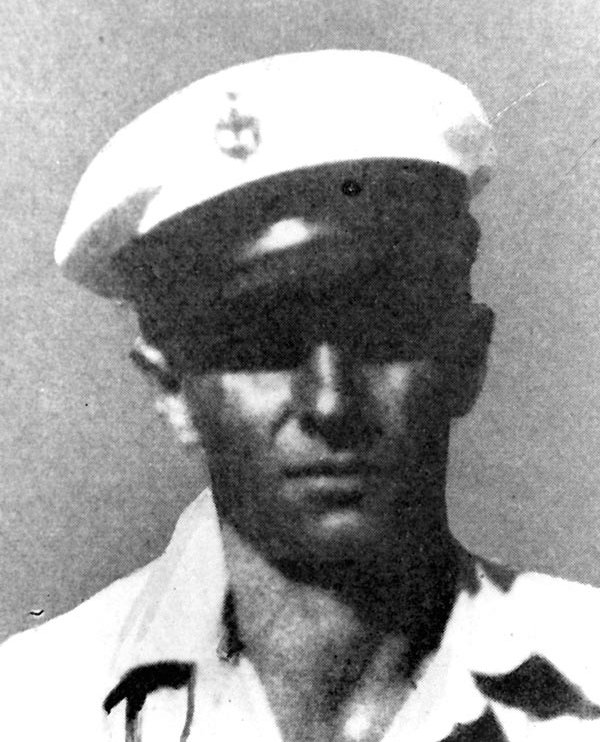
Peter Tomich

Peter Tomich (June 3rd, 1893 - December 7th, 1941) was born in Prolog, at that time in the Austro-Hungarian Empire. For his courage during the raid on Pearl Harbor he was awarded the Congressional Medal of Honor.

During World War I he served in the US Army. After enlisting in the United States Navy in January 1919, he initially served on the destroyer Litchfield.

.
Read more ...

Publishing

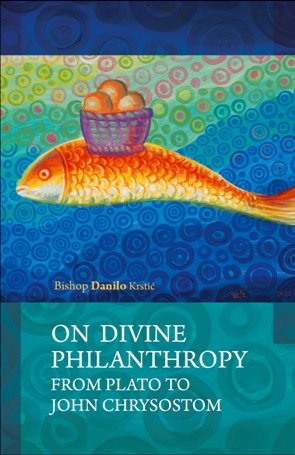
On Divine Philanthropy

From Plato to John Chrysostom

by Bishop Danilo Krstic

This book describes the use of the notion of divine philanthropy from its first appearance in Aeschylos and Plato to the highly polyvalent use of it by John Chrysostom. Each page is marked by meticulous scholarship and great insight, lucidity of thought and expression. Bishop Danilo’s principal methodology in examining Chrysostom is a philological analysis of his works in order to grasp all the semantic shades of the concept of philanthropia throughout his vast literary output. The author overviews the observable development of the concept of philanthropia in a research that encompasses nearly seven centuries of literary sources. Peculiar theological connotations are studied in the uses of divine philanthropia both in the classical development from Aeschylos via Plutarch down to Libanius, Themistius of Byzantium and the Emperor Julian, as well as in the biblical development, especially from Philo and the New Testament through Origen and the Cappadocians to Chrysostom.

With this book, the author invites us to re-read Chrysostom’s golden pages on the ineffable philanthropy of God. "There is a modern ring in Chrysostom’s attempt to prove that we are loved—no matter who and where we are—and even infinitely loved, since our Friend and Lover is the infinite Triune God."

The victory of Chrysostom’s use of philanthropia meant the affirmation of ecclesial culture even at the level of Graeco-Roman culture. May we witness the same reality today in the modern techno-scientific world in which we live.