A great man is one who collects knowledge the way a bee collects honey and uses it to help people overcome the difficulties they endure - hunger, ignorance and disease!
- Nikola Tesla

Remember, remember always, that all of us, and you and I especially, are descended from immigrants and revolutionists.
- Franklin Roosevelt

While their territory has been devastated and their homes despoiled, the spirit of the Serbian people has not been broken.
- Woodrow Wilson

Preminuo pisac Aleksandar Petrov

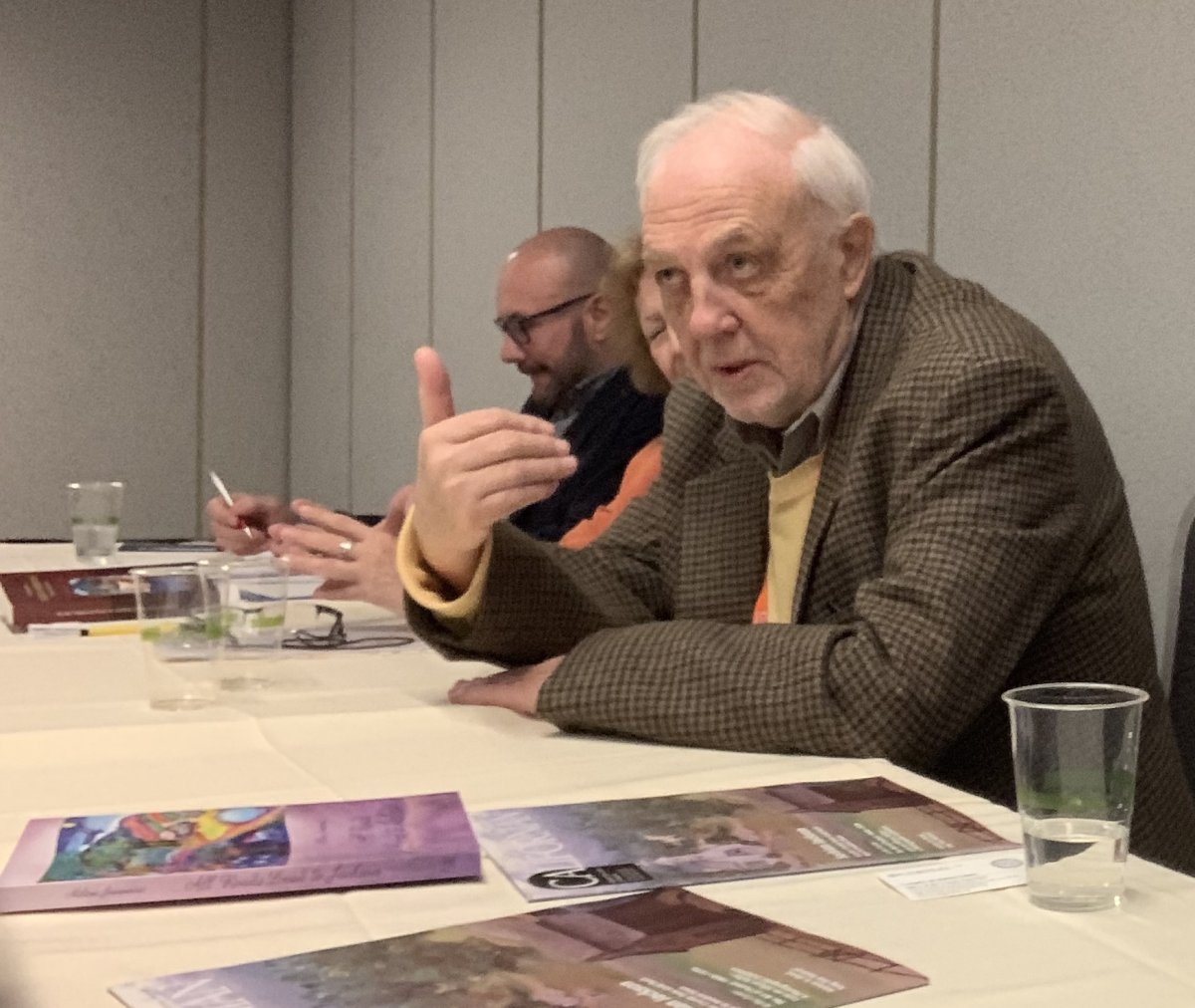
Pisac Aleksandar Petrov preminuo je sinoć (19. 11. 2021) u svom domu u Beogradu u 84. godini, posle duge borbe sa teškom bolešću.

Rođen u Nišu 1938, studije književnosti završio je u Beogradu, a doktorirao je na poeziji Miloša Crnjanskog, što je prvi doktorski rad na ovu temu. Radio je u Institutu za književnost i umetnost (1964-1990), bio osnivač i glavni urednik časopisa "Književna istorija", urednik srpske sekcije "Amerikanskog Srbobrana", najstarijih srpskih novina u dijaspori, član redakcije "Književnih novina", predsednik Udruženja književnika Srbije (1986-1988), predavač na mnogobrojnim univerzitetima na svih pet kontinenata, poslednji vršilac dužnosti predsednika Saveza književnika Jugoslavije, kao i jedan od osnivača Vukove zadužbine.

U vreme žestokih rasprava u Francuskoj 7, duboko razočaran tadašnjim kulturnim (ne)prilikama, Petrov je 1991. dao ostavku na mesto prvog čoveka UKS i otišao u Japan, gde je godinu dana predavao na Univerzitetu Hokaido. Dve godine kasnije prešao je u Pitsburg gde je na tamošnjem univerzitetu na Katedri za slavistiku predavao Srpsku kulturu i jezik i bio saradnik "Centra za ruske i istočnoevropske studije".

Kao pesnik se oglasio zbirkom "Sazdanac" (1971), posle koje su usledile knjige "Poslednje Kosovo", "Istočni dlan", "Kamen i zvono", "Peta strana sveta". Pesme su mu prevedene na 29 jezika, a zbirke objavljene u Americi, Engleskoj, Švedskoj, Francuskoj, Španiji, Rusiji, Poljskoj, Kini, Japanu... Objavio je četiri romana:"Kao zlato u vatri" (koji je imao tri izdanja), "Turski Beč", "Lavlja pećina i "Memoroman".

Autor je i mnogobrojnih knjiga kritika, eseja i studija, kao što su "Razgovor s poezijom", "U prostoru proze", "Krila i vazduh", kao i nekoliko veoma zapaženih antologija.

Izvor: B92


SA


People Directory

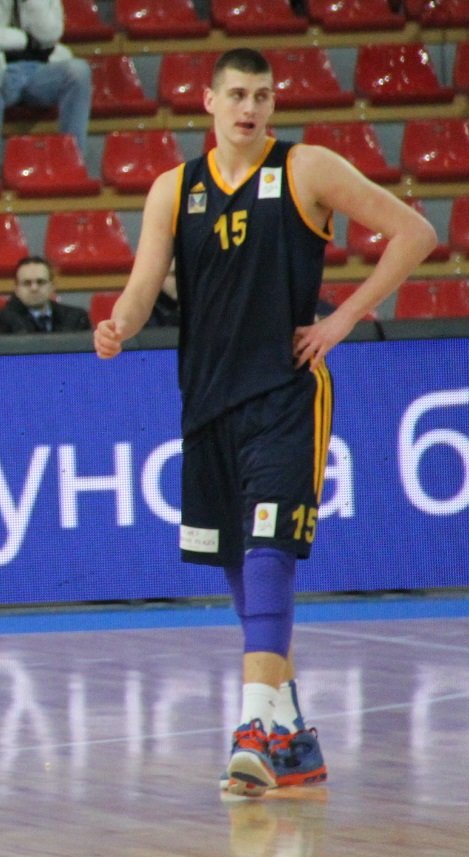
Никола Јокић

Никола Јокић (Сомбор, 19. фебруар 1995) српски је кошаркаш. Игра на позицијама крилног центра и центра, а тренутно наступа за Денвер нагетсе.

Три сезоне је наступао за Мега Лекс и проглашен је за најкориснијег играча Јадранске лиге. Изабран је у другом кругу НБА драфта 2014. као 41. пик од стране Денвер нагетса са којима је у јулу 2015. потписао уговор. Јокић је постао други Србин у НБА лиги који је постигао четрдесет или више поена на једном мечу, пре њега то је урадио Предраг Стојаковић.

Read more ...

Publishing

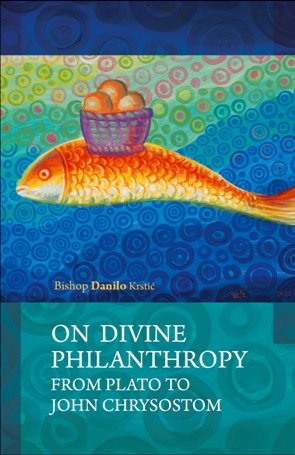
On Divine Philanthropy

From Plato to John Chrysostom

by Bishop Danilo Krstic

This book describes the use of the notion of divine philanthropy from its first appearance in Aeschylos and Plato to the highly polyvalent use of it by John Chrysostom. Each page is marked by meticulous scholarship and great insight, lucidity of thought and expression. Bishop Danilo’s principal methodology in examining Chrysostom is a philological analysis of his works in order to grasp all the semantic shades of the concept of philanthropia throughout his vast literary output. The author overviews the observable development of the concept of philanthropia in a research that encompasses nearly seven centuries of literary sources. Peculiar theological connotations are studied in the uses of divine philanthropia both in the classical development from Aeschylos via Plutarch down to Libanius, Themistius of Byzantium and the Emperor Julian, as well as in the biblical development, especially from Philo and the New Testament through Origen and the Cappadocians to Chrysostom.

With this book, the author invites us to re-read Chrysostom’s golden pages on the ineffable philanthropy of God. "There is a modern ring in Chrysostom’s attempt to prove that we are loved—no matter who and where we are—and even infinitely loved, since our Friend and Lover is the infinite Triune God."

The victory of Chrysostom’s use of philanthropia meant the affirmation of ecclesial culture even at the level of Graeco-Roman culture. May we witness the same reality today in the modern techno-scientific world in which we live.