A great man is one who collects knowledge the way a bee collects honey and uses it to help people overcome the difficulties they endure - hunger, ignorance and disease!
- Nikola Tesla

Remember, remember always, that all of us, and you and I especially, are descended from immigrants and revolutionists.
- Franklin Roosevelt

While their territory has been devastated and their homes despoiled, the spirit of the Serbian people has not been broken.
- Woodrow Wilson

Imprints in the Landscape: Serbian Toponyms in North America

Marinel Mandreš
Wilfrid Laurier University

Complementing an earlier article that identified Serbian place-names throughout the world, this composition concentrates upon commemorative appellations in the United States and Canada.1 It examines the historical circumstances by which existing, mistaken, altered, and apparent place-names arose; it also attempts to establish a naming pattern. North American geographical nomenclature includes numerous foreign designations that were not randomly chosen. Representing the intersection of geography and history, place-names preserve various aspects of a country’s national and cultural heritage that might otherwise be overlooked or forgotten by successive generations. Bestowed by early immigrants or offered by postal authorities and entrepreneurs, toponyms of a definite Serbian origin reflect prevailing attitudes towards Serbia and Montenegro at the time of their designation.

Existing Toponyms

An investigation of contemporary nomenclature inevitably involves historical anecdotes and a recounting of the personalities and events that produced them. Reasons for the naming of most places were determined. Some historical sources provide incomplete, speculative, and possibly incorrect information regarding place-name origins due to omissions, digressive explanations, and/or an absence of detailed documentation. Locally invented and recounted ex post facto explanations of probable origins should not be considered as definitive accounts. Extensive correspondence was maintained with several historical societies in an effort to ensure factual accuracy when exceedingly limited published data was available. Records related to the founding of some communities are elusive or no longer exist. In the absence of other reliable information, post office opening and closing dates provided clues as to when asettlement was established, active, and declined. It was impossible to investigate “paper towns” created by land speculators during the 1800s.

More at PDF

Source: Serbian Studies

SA


People Directory

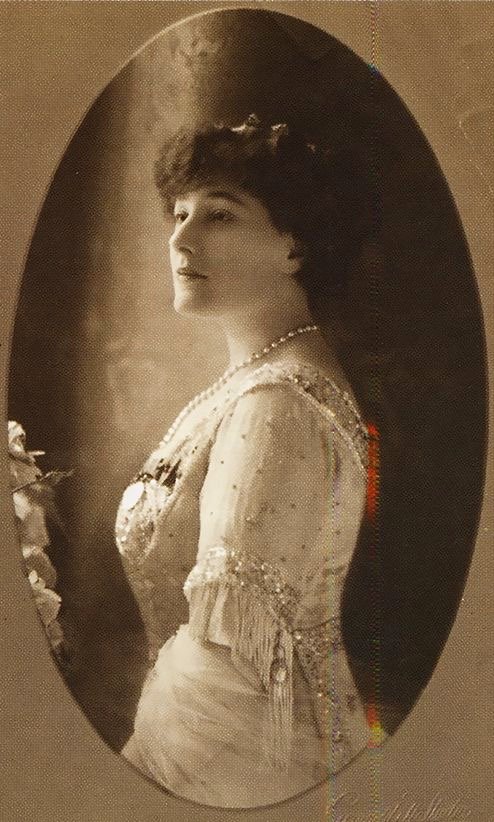
Мејбл Грујић

Мејбл Гордон Данлоп Грујић (Mabel Gordon Dunlop Grouitch) (Кларксбург, Западна Вирџинија, 13. август 1872 - Вашингтон, 13. август 1956) била је жена српског дипломате Славка Грујића, велика српска добротворка и добровољна медицинска сестра при Црвеном крсту у Србији током Првог светског рата.

Мејбл Грујић рођена је као Мејбл Гордон Данлоп (енгл. Mabel Gordon Dunlop) 13. августа 1872. године у Кларксбургу, Западна Вирџинија. Отац јој је био инжињер и високи чиновник америчке железнице. У Америци је завршила колеџ, где се посебно занимала за уметност и археологију. Као ђак је сарађивала са омладинским листовима и часописама где су објављени њени запажени чланци. Након тога је добила стипендију за студије у Француској и Грчкој.

Read more ...

Publishing

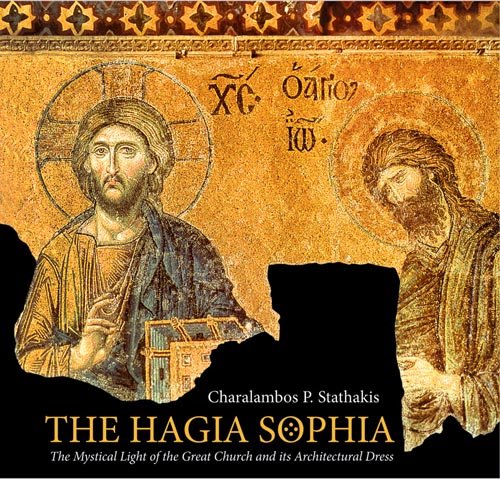
The Hagia Sophia

The Mystical Light of the Great Church and its Architectural Dress

by Charalambos P. Stathakis

Dear reader, as you run like the rest of us along the dizzy main road, stop, stay aside for a while. Let the others be dizzy, and take the secret underground trail, which will lead you through the dewdrops of the leaves, the crystal smile of the sun, the city’s underground galler- ies, your knowledge, and your feelings, to the doorstep of the Hagia Sophia. Because all dew- drops, all sunrays, and all beauty lead there. That is what you will be told by my friend, the author, whom I am fond of and whom I send you to, Charalambos Stathakis: the doctor, the warm and humane researcher, the scientist devoted to his work and his patients, who has given a series of scientific papers, who, nevertheless, retains a nest of beauty untouched in his heart, which makes him outstanding—even though he is not a specialist in architecture, nor a historian, nor a theologian, nor a Byzantinist—it makes him stand out in all these together and in entirety.

Read more ...