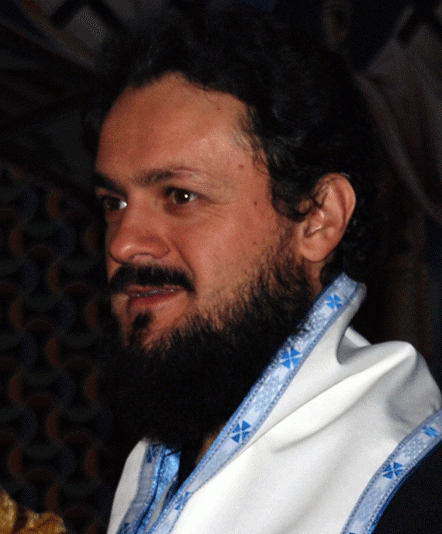
For the last eleven years the ruling bishop of the Western American Diocese is Maxim (Vasiljević,) well known in academic circles since he holds several academic titles and is professor of the Faculty of Orthodox Theology at the University of Belgrade. Maxim (secular name Milan Vasilje¬vić) was born on June 27, 1968 in Foča, Yugoslavia, into a family of a priest. His father Lazar is a priest and mother Radmila, nee Todorović.
After finishing elementary school in Sarajevo (1983), he studied Seminary school in Belgrade (finished in 1988), served the army, and enrolled into the Faculty of Orthodox Theology in the same city.
He was tonsured a monk in Tvrdos Monastery, Bosnia and Herzegovina, on August 18, 1996, by Bishop Atanasije of Herzegovia, who also ordained him a deacon (1996) and priest in 2001.
Bishop Maxim graduated from the Faculty of Orthodox Theology at the University of Belgrade in 1993. He completed his Masters of Theology at the University of Athens in 1996, and then three years later, in 1999, at the same University, he defended his doctorate in the field of Dogmatics and Patristics with the title, “Participation in God” in the Theological Anthropology of St. Gregory Nazianzen and St. Maximus the Confessor.
He worked for one year on his post-doctorate in Paris and the Sorbonne in 2003–2004, in the field of Byzantine History and Hagiography. During this time, he also delved in the theory and practical application of painting at the French Academy of Fine Arts in Paris. Bishop Maxim speaks Greek, French, Russian, and English. He was the editor of “Theology”—Journal of the Faculty of Orthodox Theology, University of Belgrade.
On July 30, 2006 Bishop Maxim was instated on the throne of bishops of the Western America Diocese by Bishop Longin of New Gračanica Metropolitanate. Previously, he was Bishop of Hum and Vicar in the Metropolitanate of Dabro-Bosna, in Bosnia and Herzegovina. As vicar-bishop of Hum he was elected Bishop of the Western American Diocese at the regular Assembly of the Hierarchs of the Serbian Orthodox Church in Belgrade, Serbia in 2006.
Bishop Maxim is professor of the Divinity School at the Theological Faculty of the University of Belgrade, and was teaching Christian Anthropology and Sociology at the University of East Sarajevo. He also taught at St. Sava School of Theology in Libertyville, Illinois.
Bishop Maxim also leads the Diocesan iconographical school inspired by Byzantine and Serbian medieval fresco painting and by Fr. Stamatis, a famous Iconographer from Greece.
Bishop Maxim’s scholarly studies and articles include books and essays on Holy Fathers and Saints; he has also written on the hagiographical and iconographical themes. His books include, among other, History, Truth, Holiness Studies in Theological Ontology and Epistemology (2011); Diary of the Council Reflections from the Holy and Great Council at the Orthodox Academy in Crete (2016), Theology as a surprise: Patristic and pastoral insights (SVSP 2018).
Among his many appointments, Bishop Maxim represents the Serbian Orthodox Church to the Faith and Order Commission of the World Council of Churches (WCC).
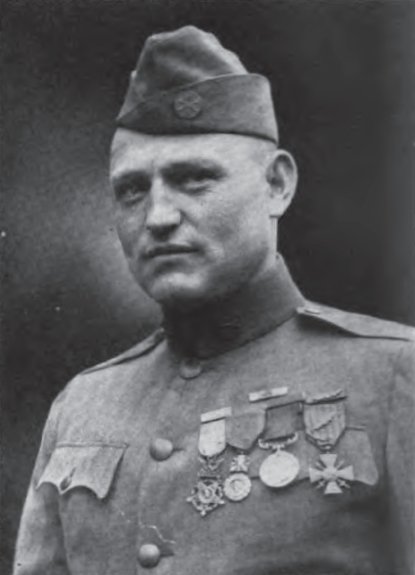
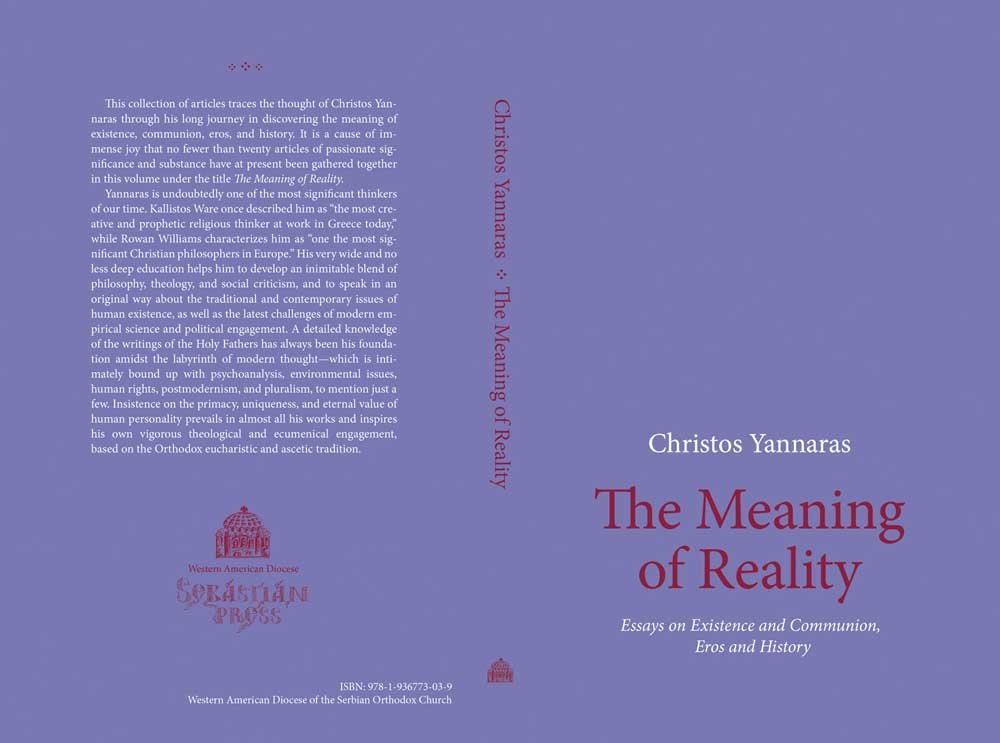
In 2006 he established St. Sebastian Orthodox Press and named in honor of a first American born Orthodox priest, Fr. Sebastian Dabovich. Sebastian Press is one of the prevalent and most dynamic publishers of Christian Orthodox publications on the West Coast and in the USA. It has enriched Christian literature in the English language during the last few years with almost 100 titles in print from many of the best living Orthodox writers, with its valuable translations of the interesting and resourceful works of Serbian, Greek, and other theologians to English.
He has participated in many theological forums and symposia in the USA, Europe, Asia, and Australia. He was a member of St. Vladimir’s Seminary Board of Trustees in New York.