A great man is one who collects knowledge the way a bee collects honey and uses it to help people overcome the difficulties they endure - hunger, ignorance and disease!
- Nikola Tesla

Remember, remember always, that all of us, and you and I especially, are descended from immigrants and revolutionists.
- Franklin Roosevelt

While their territory has been devastated and their homes despoiled, the spirit of the Serbian people has not been broken.
- Woodrow Wilson

Теслино писмо Змају у Народној библиотеци

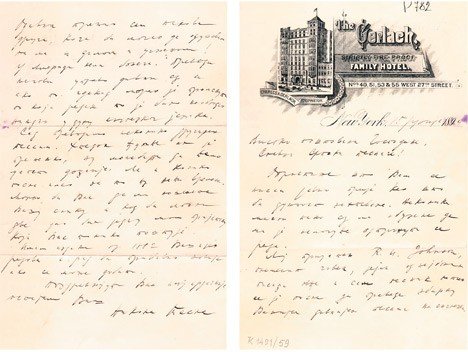
Писмо које је Никола Тесла написао Јовану Јовановићу Змају, обавештавајући га да жели да његове песме преведе на енглески и објави у Америци, од данас је по први пут јавно изложено у Народној библиотеци Србије, а у оквиру представљања најзначајнијих експоната из колекције београдске библиотеке.

.

Јављајући се Змају из Њујорка, велики научник је писао да ће пробати да са америчким песником Робертом Џонсоном преведе неке од песникових стихова. Како кажу у Народној библиотеци Србије, реч је о оригиналу датираном на 15. јун 1894, који ће бити постављен у специјалној комори у холу испред централне читаонице све до 1. марта. У националној библиотеци такође кажу да је ово писмо сведочанство Теслине љубави и поштовања према Змајевој поезији.

– Библиотека је купила писмо 1959. од приватног понуђача и данас је његов чувар – објашњава Оливера Стевановић, начелница Одељења посебних фондова у Народној библиотеци Србије.

– Тесла је написао писмо веома узбуђен због Змајеве песме „Поздрав Николи Тесли”. Њихов однос је био диван, мислим да је Тесла био заљубљен у Змајеве стихове.

Змај је написао поменуту песму поводом јединог Теслиног доласка у Београд 1892. Поета и лекар је лично прочитао песму добродошлице на пријему у Теслину част.

У писму које је представљено у националној библиотеци Тесла је од песника тражио да му пошаље своју фотографију као и своја нова издања. Тесла је дословно превео песме „Три Хајдука”, „Два сина”, „Циганин хвали свога коња” и „Тајна љубав” да би се Џонсон побринуо за песнички стил превода. Иначе, Џонсон је био велики Теслин пријатељ. Помагао му је да идеје представи јавности објављујући његове научне чланке или новинарске чланке о њему у њујоршком часопису „The Century Magazine”. Управо је у овом магазину 1894. Тесла и објавио поменуте преводе као и свој текст о Змају и српској народној поезији.

Објашњавајући сарадњу са Џонсоном, Тесла је у овом писму јављао Змају:

„У Америци нема бољег преводиоца. Преводи његови управо дивни су, а ако је погдекад мора променити по који редак, то је било неопходно нужно у духу енглеског језика. Сад преводимо неколико другијих песама. Хтедох ’Ђулиће’, али је претешко...”

ПОЛИТИКА 1. 2. 2013.


SA


People Directory

Aleksandar Petrov

Aleksandar Petrov, born in Nis (Yugoslavia) 1938, received his Ph.D. at the University of Zagreb. For many years he was Senior Research Fellow at the Institute of Literature and Art in Belgrade and Director of the History of Literature Department.

As an outstanding poet and novelist, Aleksandar Petrol is featured in the Dictionary of Literary Biography (v. 181, 242-250 p.p., Washington D.C. and London 1997) as one of the most important Serbian writers of the post World War II period. He has served as President of the Writers’ Association of Serbia and Acting President of the Writers’ Association of the former Yugoslavia. Petrov is a member of the International P.E.N. and several other literary and academic associations.

He has taught at over ten universities in the U.S.A. and has lectured extensively in many countries of the world. Since 1993, he is affiliated with The University of Pittsburgh, Pittsburgh, U.S.A.  Petrov has published 8 books of poems in Serbia and translations of his books were published – in Britain, France, Spain, Sweden, Romania, Poland, Israel, China, Taiwan, Hong Kong, Japan and the U.S.A. His poems were translated into 29 languages and included in anthologies of World, European, Yugoslav and Serbian poetry.

. Read more ...

Publishing

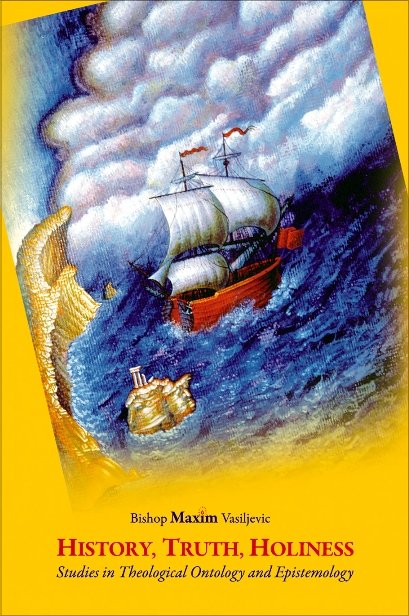
History, Truth, Holiness

by Bishop Maxim Vasiljevic

Bishop Maxim’s first book, described by Fr. John Breck as an “exceptionally important collection of essays” contributing to both the theology of being and also contemporary theological questions, is now available! Christos Yannaras describes Bishop Maxim as “a theologian who illumines” and Fr. John McGuckin identifies his work as “deeply biblical and patristic, academically learned yet spiritually rich.” The first half of the book collects papers emphasizing theological ontology and epistemology, reminding us how both the mystery of the Holy Trinity and that of the Incarnation demand that we rethink every philosophical supposition; it includes chapters on holiness as otherness, truth and history, and the biochemistry of freedom. The second half of the book features lectures dedicated to the theological questions posed by modern theology, including studies of Orthodox and Roman Catholic ecclesiology, liturgics, and the theology of icons.