A great man is one who collects knowledge the way a bee collects honey and uses it to help people overcome the difficulties they endure - hunger, ignorance and disease!
- Nikola Tesla

Remember, remember always, that all of us, and you and I especially, are descended from immigrants and revolutionists.
- Franklin Roosevelt

While their territory has been devastated and their homes despoiled, the spirit of the Serbian people has not been broken.
- Woodrow Wilson

Овације Најџелу Кенедију на Коларцу

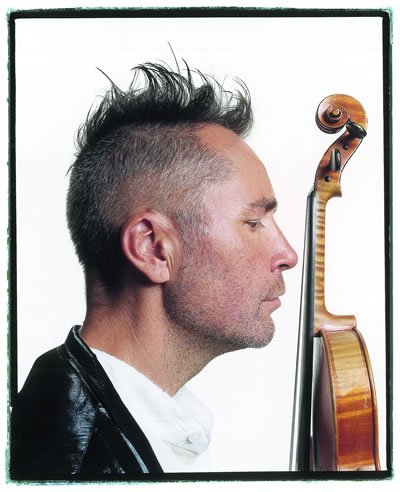
Британски виолиниста са највише продатих албума на свету, Најџел Кенеди, одржао је концерт у Коларчевој задужбини. Реч је о првом од два распродата концерта у Београду.

Најџел Кенеди је шармантни и непосредни ексцентрик. Али, пре свега је врхунски професионалац који је готово до последњег тренутка брусио свој наступ.

Најџел Кенеди каже да је сам концерт време за самоувереност, али и давање.

"Концерт није тренутак за постављање питања у музици и размишљање о себи, већ о другима. Наступ је посебно време које су људи издвојили за себе. Желимо само да им пружимо задовољство", каже Кенеди.

.

Сва одсвирана дела у целину је повезала јединствена енергија Најџела Кенедија и необична комбинација ритмова.

"Заиста боље свирам када публика каже да моје свирање ништа не ваља, да је глупост како свирам", каже Кенеди.

Програм који спаја Баха и Валера и виртуозно извођење Најџела Кенедија, део су промотивне турнеје овогодишњег албума "Реситал", инспирисаног Мењухином и Грапелијем.

Кенедија су на сцени подржала и тројица музичара, али и његова виолина из 1732. године.

Данијела Пантић

Извор: РТС


From The Guardian Web Archive (1999):

Bravo, Serbs tell Nigel Kennedy

"Nigel Kennedy shuffled on to a Belgrade stage and into controversy last night when he became the first international celebrity to perform in Yugoslavia since its war with Nato and said ordinary Serbs had done nothing to provoke bombing."

"Kennedy, the wildchild of classical music, tried to visit Belgrade during the bombing to show solidarity but was unable to enter the country. He said the concert for peace was non-political. I think it can help reconciliation and hopes and aspirations, he said, adding that other celebrities should not be deterred by warnings about being exploited for propaganda. It's not important that I'm the first to come but it is important that others follow."

SA


People Directory

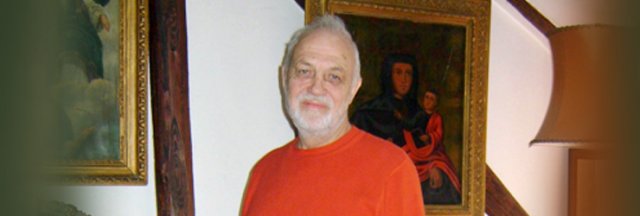
Aleksandar Petrov

Aleksandar Petrov, born in Nis (Yugoslavia) 1938, received his Ph.D. at the University of Zagreb. For many years he was Senior Research Fellow at the Institute of Literature and Art in Belgrade and Director of the History of Literature Department.

As an outstanding poet and novelist, Aleksandar Petrol is featured in the Dictionary of Literary Biography (v. 181, 242-250 p.p., Washington D.C. and London 1997) as one of the most important Serbian writers of the post World War II period. He has served as President of the Writers’ Association of Serbia and Acting President of the Writers’ Association of the former Yugoslavia. Petrov is a member of the International P.E.N. and several other literary and academic associations.

He has taught at over ten universities in the U.S.A. and has lectured extensively in many countries of the world. Since 1993, he is affiliated with The University of Pittsburgh, Pittsburgh, U.S.A.  Petrov has published 8 books of poems in Serbia and translations of his books were published – in Britain, France, Spain, Sweden, Romania, Poland, Israel, China, Taiwan, Hong Kong, Japan and the U.S.A. His poems were translated into 29 languages and included in anthologies of World, European, Yugoslav and Serbian poetry.

. Read more ...

Publishing

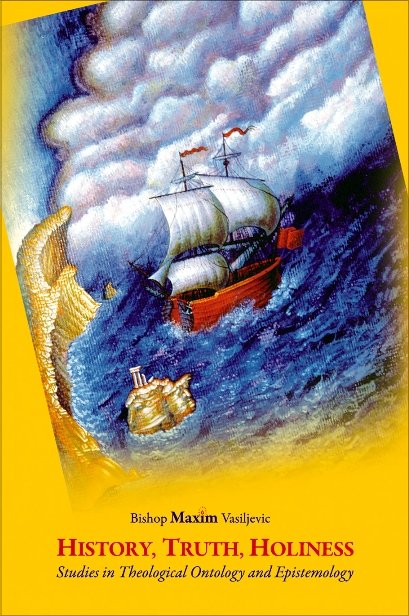
History, Truth, Holiness

by Bishop Maxim Vasiljevic

Bishop Maxim’s first book, described by Fr. John Breck as an “exceptionally important collection of essays” contributing to both the theology of being and also contemporary theological questions, is now available! Christos Yannaras describes Bishop Maxim as “a theologian who illumines” and Fr. John McGuckin identifies his work as “deeply biblical and patristic, academically learned yet spiritually rich.” The first half of the book collects papers emphasizing theological ontology and epistemology, reminding us how both the mystery of the Holy Trinity and that of the Incarnation demand that we rethink every philosophical supposition; it includes chapters on holiness as otherness, truth and history, and the biochemistry of freedom. The second half of the book features lectures dedicated to the theological questions posed by modern theology, including studies of Orthodox and Roman Catholic ecclesiology, liturgics, and the theology of icons.